
Skimming only clears the surface
Dirt, dust, leaves, and debris that sink to the floor and steps need vacuuming to fully clean the pool.



We vacuum the floor and steps so dirt, leaves, and settled debris do not sit in your pool. Clear bottom, clearer water, less work for you.
Most Arlington backyard pools need vacuuming as part of a weekly visit during swim season, and sooner after storms or heavy leaf drop leave dirt on the floor. Light debris can wait for the next route day; settled silt and sand should not sit for weeks.
Vacuuming is one piece of weekly pool cleaning. Surface debris is handled with pool skimming before floors get the full pass.
Floor and step cleaning removes what skimming cannot, so chemistry, filtration, and weekly service work the way they should.
Dirt, dust, leaves, and debris that sink to the floor and steps need vacuuming to fully clean the pool.
It helps prevent staining, algae growth, and dull-looking water by removing buildup before it becomes a problem.
It is a key part of weekly pool cleaning and works with chemical balancing and water testing to keep pools clear and healthy.
If the floor never looks finished, surface work alone is not solving the problem.
Loosened debris has to be vacuumed out. Brushing without a floor pass just redistributes grit.
Fine silt loves shallow ledges. That texture is a vacuum cue, not a chemistry-only issue.
Settled material keeps getting stirred. Removing it from the floor cuts the recycle loop.
Quiet water reveals what circulation was hiding. Regular vacuuming stops that ring from becoming a permanent haze.
Locally owned Arlington pool care built on reliability and clear communication, so floors and steps stay clear and your pool stays swim-ready through the season.
Surprised we have to say this, but we actually keep the appointments we book and communicate if anything changes.
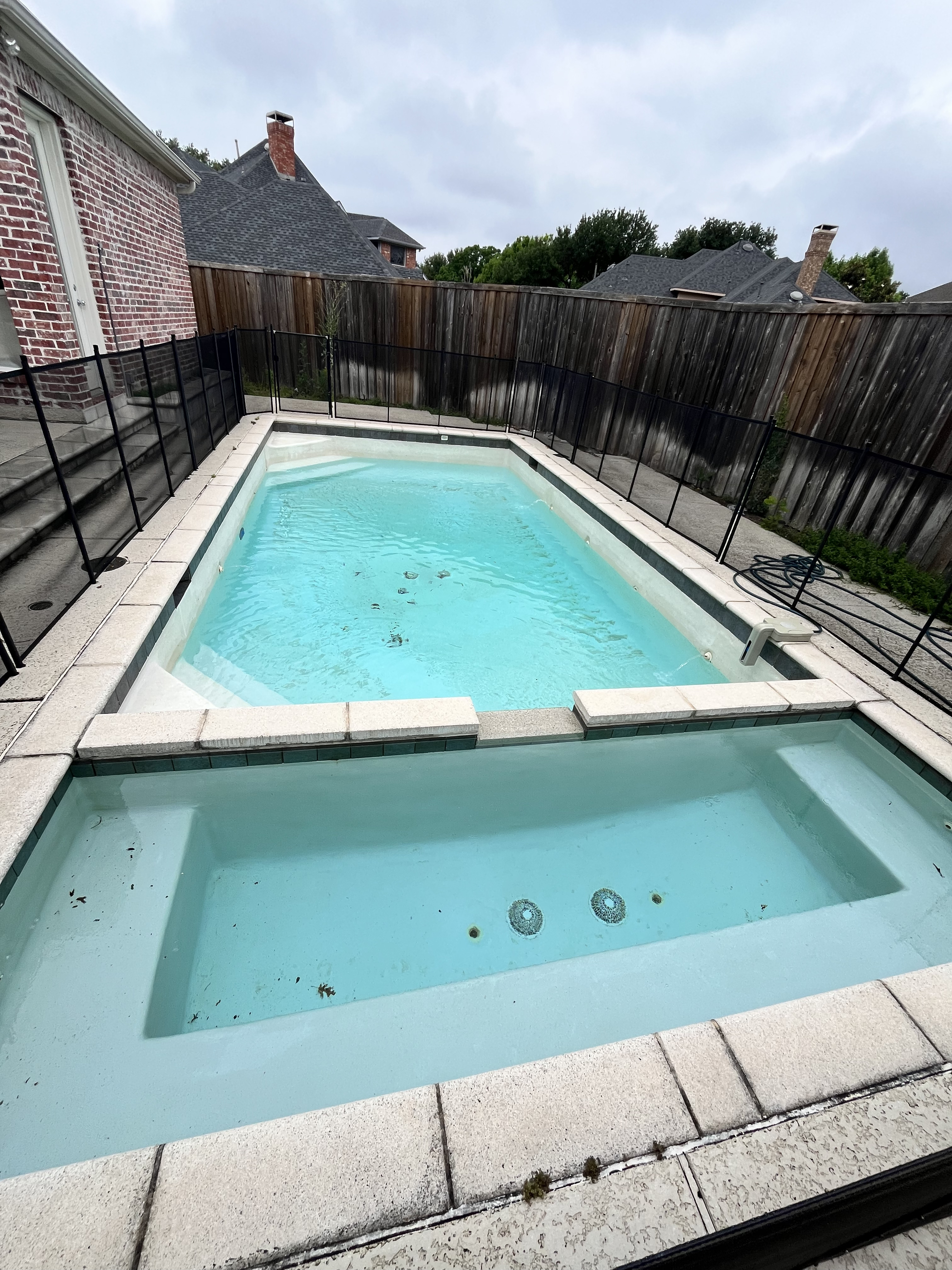
All we do is pools, so we know the systems, chemistry, and problems that show up on Arlington yards. That focus is how we keep yours swim-ready.
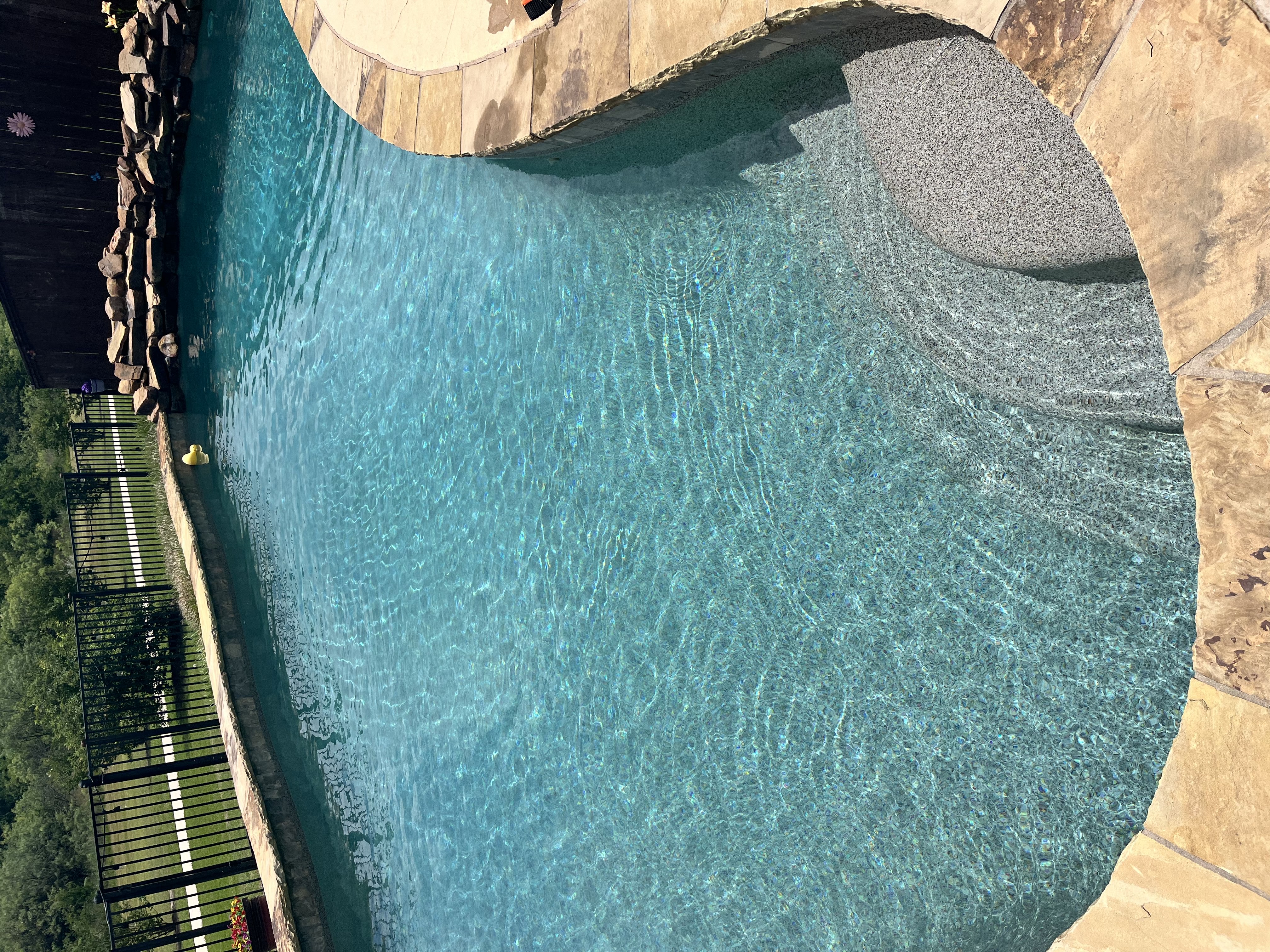
Designed to keep pools looking and performing right through intense Texas heat.
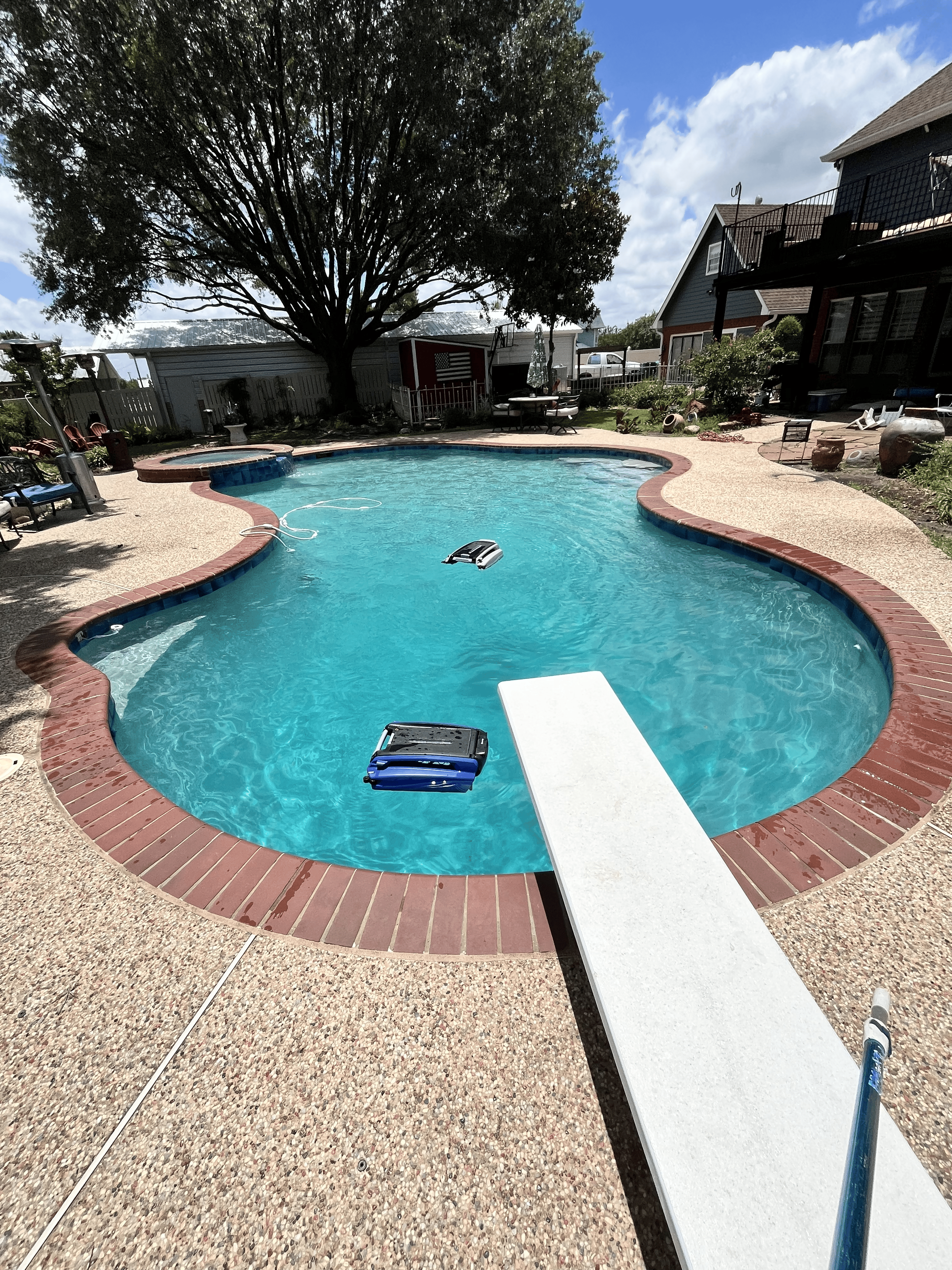
A clean, balanced pool waiting when you want to swim. We handle the upkeep so you do not have to wonder every weekend if it is ready.
Your pool is handled by professional, trained technicians, not brand-new techs learning on your equipment.
Check debris load on floor and steps before starting
We look at what has settled since the last visit, leaves, dirt, sand, or algae debris. The type of debris determines whether we use a standard vacuum head or go section by section.
Work from shallow end to deep end in overlapping passes
Starting shallow ensures debris does not resettle in clean areas. Overlapping passes catch fine particles that a single pass would miss. We move slowly so the vacuum picks up everything.
Target built-up debris on steps, benches, and ledges
Corners and ledges collect organic matter that breaks down and feeds algae. We focus on these trouble spots every visit because they are the first places clarity problems start.
Verify water clarity and check filter pressure after vacuuming
After vacuuming, we check that water clarity has improved and note the filter pressure. A big pressure jump after vacuuming means the filter caught a lot of debris, a sign we may need to adjust the service plan.
Floor dirt is not random. Wind corridors, tree cover, and construction dust decide how often vacuuming has to work harder.
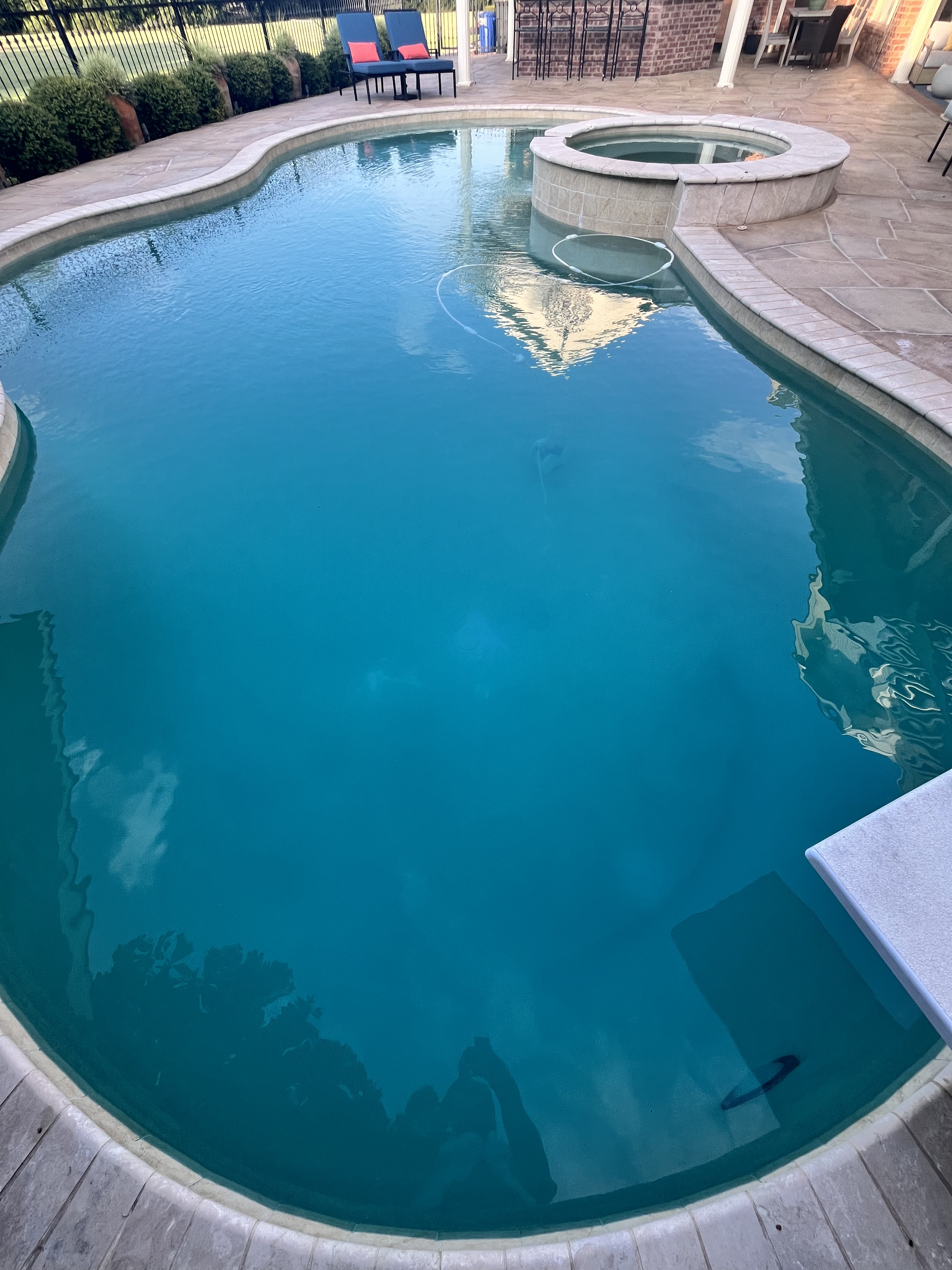
Tap a card to see why each debris type matters for your pool.
Small steps between service days keep debris from settling and make each vacuum pass more effective.
Skim the surface first so less debris sinks. We can then focus the vacuum on what already settled.
Leaves sitting on the floor stain surfaces and burn through chlorine. Clear them before your next visit if possible.
Brushing walls sends material to the floor. Vacuuming picks it up. Both steps are needed for a thorough clean.
Good water flow keeps debris moving, but once it settles, only vacuuming removes it from the bottom.
A clean floor makes the whole pool feel right. Homeowners who stay on a weekly route tell us the pool is ready when they want it. See what Arlington homeowners say →
Technique and timing matter as much as owning a vacuum head.
Common mistake
Vacuuming into a clogged filter
Better approach
Relieve filter load first so suction can actually capture dirt instead of pushing cloudy water around.
Common mistake
Rushing deep ends and skipping corners
Better approach
Work walls, steps, and low spots methodically. Missed pockets reseeding the floor overnight.
Common mistake
Assuming the robot finished the job
Better approach
Autos help, but storm silt and stuck debris still need a guided pass on service visits.
Vacuuming is critical because settled debris keeps feeding cloudiness and algae risk. It is one of the highest-impact tasks in weekly service.
Best for pools with frequent floor debris, storm fallout, or visible sediment patterns.
Related pages: wall brushing and debris lift, surface skimming workflow, weekly cleaning plans.
Clean floors work best when circulation and surface care keep new debris from burying the plaster again.
Catch floating debris before it sinks and becomes another vacuum session.
Strong suction needs a filter that can accept the dirt you pull off the floor.
Vacuuming lands inside a weekly route so floors stay guest-ready without emergency cleanups.
Brush first when film is clinging, then vacuum so loosened material leaves the pool.
Questions about Lonestar pool and spa cleaning services Co.? Check our FAQs below. Contact us if you cannot find the answer you need.
We provide pool vacuuming across Arlington, Fort Worth, Dallas, Grand Prairie, and Mansfield. See our full service areas or contact us to confirm.
Request service for weekly care that includes vacuuming, or contact our Arlington pool service team to talk about your pool.