
01
Maintenance goes beyond cleaning.
Pool maintenance means water testing, chemical balancing, equipment checks, and surface care, not just skimming and vacuuming. It keeps water safe and equipment running.



Routine pool care that keeps your water clear and your equipment running. We test, balance, clean, and check so you can enjoy your pool without the guesswork.
Pool maintenance typically covers skimming, vacuuming as needed, brushing problem zones, basket and filter checks, water testing, and chemical balancing so the pool stays clear between visits. It is the ongoing routine, not a one-time scrub.
Homeowners often start with weekly pool cleaning. Chemistry support is covered under pool chemical balancing.
Pool maintenance means water testing, chemical balancing, equipment checks, and surface care, not just skimming and vacuuming. It keeps water safe and equipment running.
Long hot summers, storms, and heavy pool use push chlorine demand and debris load. Weekly maintenance prevents small issues from becoming expensive surprises.
When the same person services your pool every week, they learn how your water behaves and catch changes early. Consistent care means fewer emergencies.
Routine care from a local team that shows up. Ready to get started? request service or see our weekly pool cleaning details.
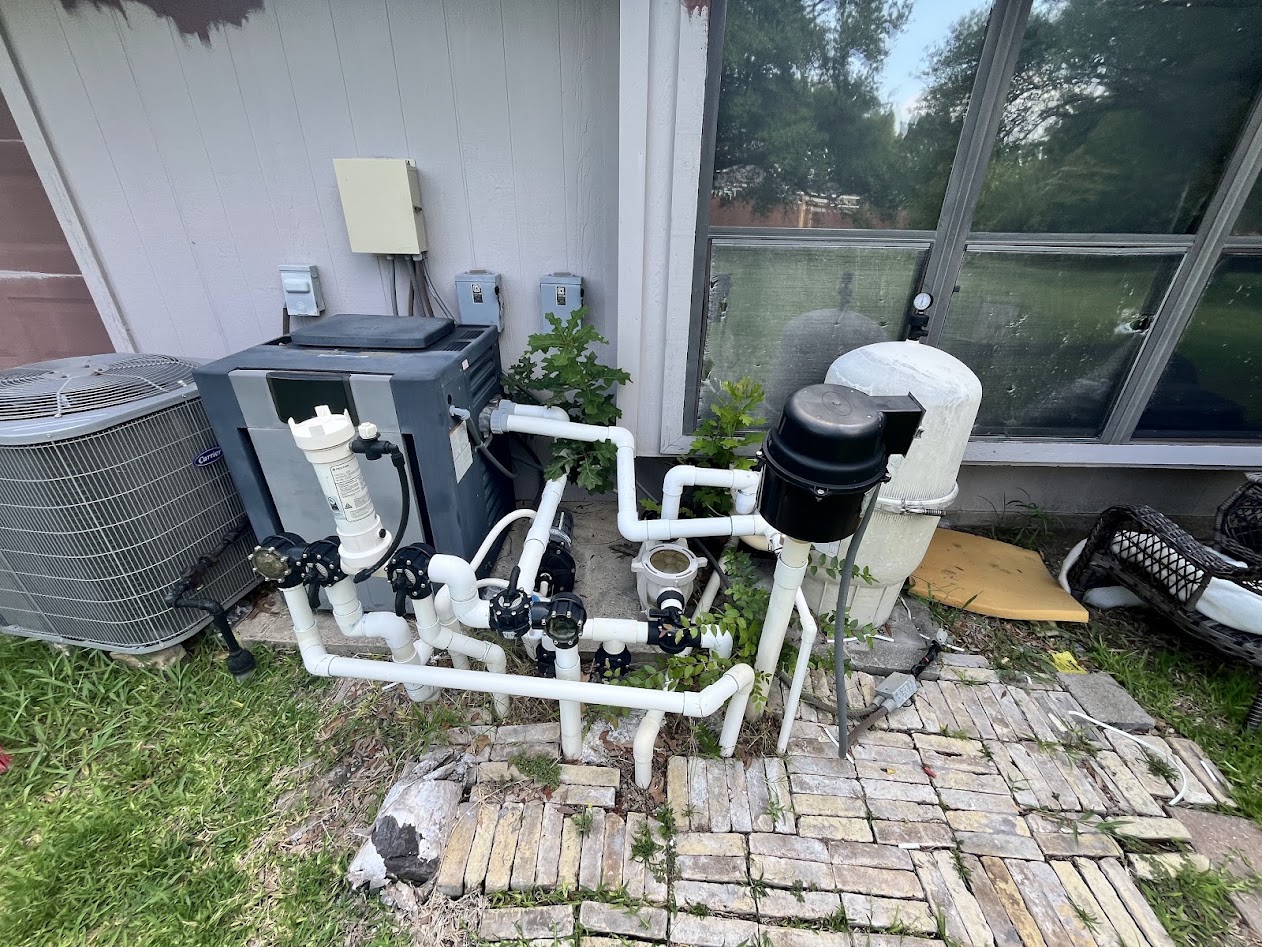
These patterns mean cleaning alone is not catching the full picture.
If you keep resetting cloudy water, maintenance cadence and chemistry support are out of step with use and weather.
Short cycling, weak jets, or baskets that refill too fast point to circulation and upkeep issues beyond a surface skim.
Guessing chlorine tabs and shock packs is a maintenance gap. Scheduled testing keeps decisions grounded.
Repeat corners mean brushing, filtration, and balance need a coordinated maintenance plan, not another weekend panic dose.
Every item below is part of your routine visit.
Chlorine, pH, alkalinity, and stabilizer checked every visit.
Adjust levels so water stays safe and clear.
Remove leaves and debris from the surface.
Clean the floor and steps of settled debris.
Loosen algae and dirt so the filter can remove it.
Scrub the waterline to prevent scale buildup.
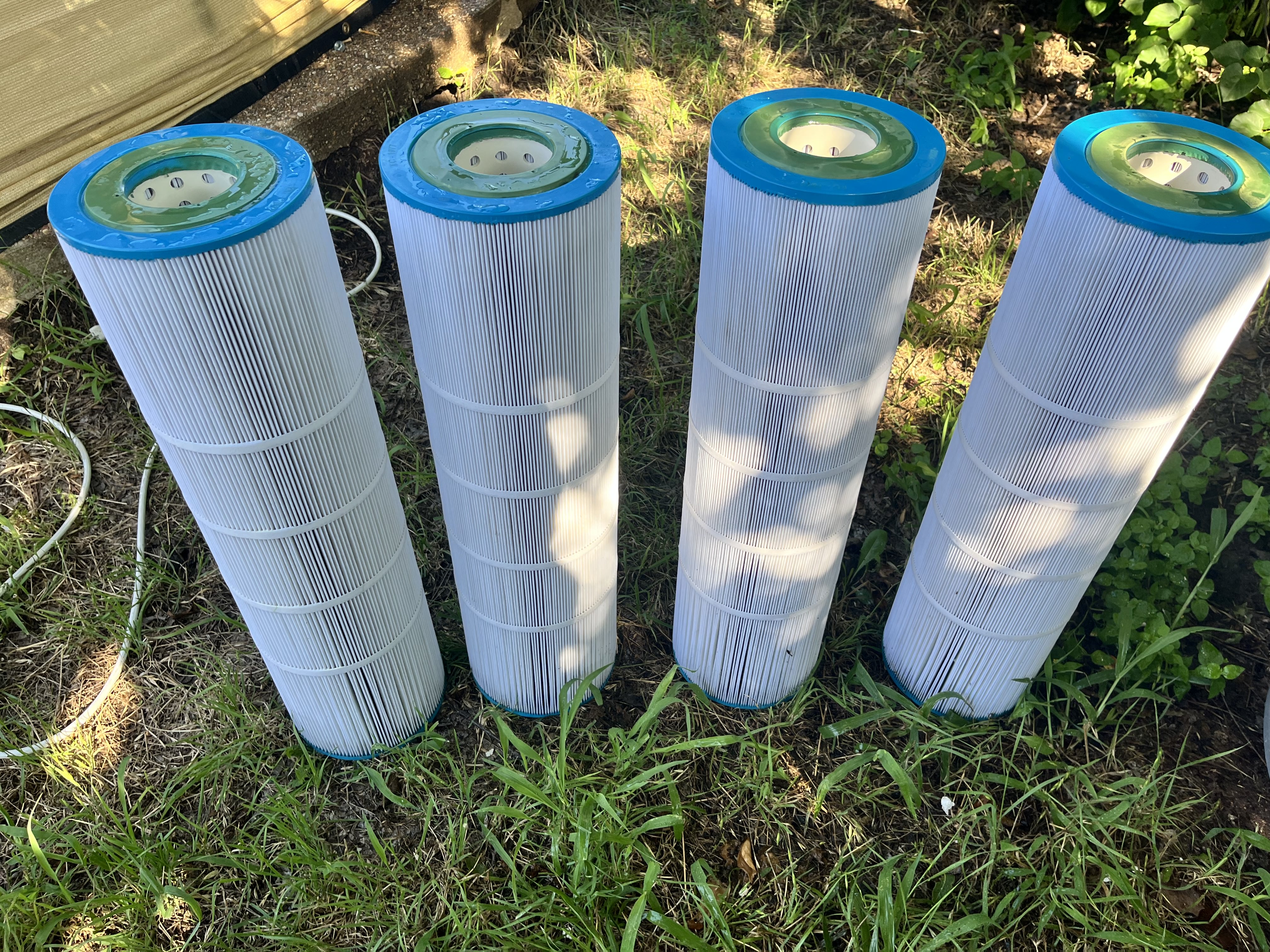
Empty skimmer and pump baskets for good flow.
Check pressure and note when cleaning is needed.
Confirm pump and flow are running as they should.
More chlorine in summer, winterization when needed.
Skimming and surface work.
Leaves and debris cleared before they sink and stain.
Vacuuming and brushing.
Floor, walls, and tile line so algae and film do not build.
Filter and pump checks.
Baskets cleared and pressure watched for healthy flow.
Chemistry you can trust.
Testing and adjustments matched to real pool conditions.
We test and balance these four parameters every visit. The green zone is where your pool water should stay.
When we spot these during a visit, we tell you what is happening and recommend the next step.
Next step: Shock, algaecide, or one-time cleanup
Cloudy or green water usually means chlorine has dropped too low or algae has started. A shock treatment or targeted cleanup can restore clarity. In Arlington summers, this can happen in just 2–3 days without service.
Next step: Filter cleaning or backwash
Rising filter pressure or reduced return flow means the filter is loaded with debris. Continued operation strains the pump motor and reduces chemical circulation throughout the pool.
Next step: Equipment check or repair referral
A noisy pump or one that struggles to prime can point to air leaks, worn bearings, or blocked suction lines. Catching it early often means a seal kit instead of a full pump replacement.
Next step: Water balance and possible treatment
White calcium deposits on tile or brownish stains on plaster indicate chemistry drift. Usually tied to high alkalinity, calcium hardness, or metals in the water. Early treatment prevents permanent damage.
Next step: Check for leaks, adjust fill schedule
Some evaporation is normal in Texas heat, but if the pool loses more than a quarter inch per day, there may be a leak in the plumbing, shell, or around fittings. We monitor levels and flag unusual drops.
Most pool problems start as skipped habits, not sudden failures. Fix the approach before the water turns.
Common mistake
Only servicing when the water looks cloudy
Better approach
Stay on a preventive cadence so chemistry, baskets, and surfaces never fall a full week behind DFW heat.
Common mistake
Ignoring rising filter pressure until flow dies
Better approach
Track pressure trends and clean or service the filter before circulation collapses and algae gets a head start.
Common mistake
Dumping chemicals without a current test
Better approach
Test first, then dose. Blind additions swing pH and sanitizer and create more cloudy water, not less.
Common mistake
Treating equipment noise as normal
Better approach
Odd pump sounds, weak returns, or frequent priming deserve a closer look before a seal or impeller fails mid-weekend.
A few habits between visits help your pool stay clear and reduce wear on equipment.
In peak summer, make sure the pump runs long enough each day to turn the water over at least once. Good circulation keeps chemicals distributed evenly.
Storms shift pH and dilute chlorine fast. If the water looks different after rain, let us know so we can adjust on the next visit.
Full skimmer baskets choke flow and strain the pump. A quick empty between visits keeps everything running smooth.
Cloudy water, strong smell, or green tint are signs something shifted. Catching it early avoids a bigger cleanup later.
Ongoing pool maintenance is available across our DFW coverage area, with routes built for Arlington-area homes and nearby Mid Cities and Dallas-Fort Worth communities that need steady upkeep, not one-off rescues.
Questions about Lonestar pool and spa cleaning services Co.? Check our FAQs below. Contact us if you cannot find the answer you need.
Request service and we will follow up with available days for your area. You can also contact our Arlington pool service team by phone or form.